
Facelift surgery, also called a rhytidectomy, is a facial rejuvenation procedure designed to address visible signs of aging in the lower face and neck. By repositioning deeper facial tissues and improving skin laxity, a facelift can soften jowls, restore youthful facial contours, improve neck definition, and reduce lower-face aging. At The Waldorf Center for Plastic Surgery, facelift surgery in Portland, Oregon, for 2026 is individualized to each patient’s anatomy, skin quality, and aesthetic goals to create refreshed results that maintain natural facial expression and identity.
Open House 2025
at our Portland and Vancouver Open House
Free Gifts for the first 30 guests + Light bites, Mocktails & Desserts +
Vendor Spotlights & Interactive Tables
Join us for an exclusive evening of connection, community, and celebration at our Portland and Vancouver Open House.
This special event brings together our expert team, valued patients, and local partners for a night filled with
giving back, exciting prizes, and memorable experiences. Limited seating only, RSVP today!


WHAT DOES A FACELIFT IMPROVE?
A facelift addresses more than loose skin alone. Modern facelift procedures in 2026 focus on deeper tissue repositioning to create balanced, natural-looking rejuvenation while preserving facial character.
Common concerns a facelift may improve include:
- Jowls and jawline softening
- Deep nasolabial folds
- Marionette lines
- Midface descent
- Sagging cheeks
- Loose neck skin
- Neck banding and platysmal laxity
- Facial volume descent
- Lower facial heaviness
- Loss of youthful contour definition
Many patients seeking facelift surgery in Portland notice that lower-face aging often develops gradually over time due to genetics, collagen loss, environmental exposure, and sun damage.
WHAT TYPES OF FACELIFT OPTIONS ARE AVAILABLE?
Every face ages differently, which is why facelift surgery should be customized rather than approached with a one-size-fits-all technique.
Treatment planning may involve adjustments to lifting vectors, tissue repositioning methods, and complementary procedures depending on facial structure and treatment goals.
Some of the options that our patients have chosen to receive include:
Schedule your facelift consultation in Portland, OR to learn whether facelift surgery, neck lift surgery, or non-surgical facial rejuvenation may best help address jowls, facial laxity, and lower-face aging. Contact The Waldorf Center for Plastic Surgery online or call 503-646-0101 or 1-800-310-7901 to request a consultation with one of our skilled, board-certified plastic surgeons.
FACELIFT & NECK LIFT
Combining facelift surgery with a neck lift offers comprehensive rejuvenation of the cheeks, jawline, and neck. This approach treats deeper tissues and muscles while improving lower-face definition.
Patients frequently choose this option when experiencing:
- Jowling
- Neck laxity
- Loss of jawline contour
- Aging across multiple facial regions
Many facelift patients also combine surgery with procedures such as brow lift, blepharoplasty, or facial rejuvenation treatments to address the upper face.
NON-SURGICAL FACELIFT OR LIQUID FACELIFT
While facelift surgery remains the gold standard for correcting advanced facial aging, some patients prefer less invasive alternatives.
Potential options may include:
- Ultherapy®
- Renuvion® J-Plasma®
- Injectable fillers
- Liquid facelift techniques
Your surgeon can help determine whether surgical or non-surgical treatment is most appropriate based on tissue laxity and desired longevity.
FACELIFT VS. NON-SURGICAL FACIAL REJUVENATION
Patients frequently ask whether fillers or energy-based treatments can replace facelift surgery.
Facelift vs. Ultherapy®
Ultherapy uses ultrasound energy to stimulate collagen production but cannot reposition descended tissues the way surgery can.
Facelift vs. Liquid Facelift
Injectable fillers may restore volume temporarily but do not remove excess skin or correct significant jowls.
Facelift vs. Renuvion®
Renuvion may improve mild skin laxity, while facelift surgery addresses deeper aging changes.
Facelift vs. Fillers
Fillers can complement facelift results but generally serve a different purpose than surgical lifting.
Patients with moderate to advanced facial aging often achieve more substantial and longer-lasting improvement through facelift surgery.
WHO IS A GOOD CANDIDATE FOR FACELIFT SURGERY?
You may be a candidate for facelift surgery if you experience:
- Loose skin along the jawline
- Neck aging or skin laxity
- Jowls
- Facial descent
- Lower-face heaviness
- Persistent signs of aging despite non-surgical treatment
- Good overall health and realistic expectations
Patients commonly pursue facelift surgery in their 50s and beyond, although younger patients with early facial descent may also benefit.
Consultation and examination help determine candidacy.
HOW SHOULD I PREPARE FOR MY FACELIFT CONSULTATION?
Your consultation provides an opportunity to discuss goals, review concerns, and understand the treatment process.
Patients are encouraged to:
- Bring photos from earlier years if available
- Discuss specific areas of concern
- Prepare questions regarding recovery and outcomes
- Review previous treatments or procedures
During evaluation, your surgeon will assess facial anatomy, skin quality, volume changes, and tissue laxity to determine the most effective treatment approach.
Choosing a facelift surgeon is highly personal, and we believe education and trust play an important role throughout the experience.
The Waldorf Center in Portland, OR, offers special financing for the recommended surgical or non-surgical procedure you want. Convenient monthly payments can be structured to fit your financial situation. Call the practice for more information at 503-646-0101 or contact us online.


WHAT HAPPENS DURING FACELIFT SURGERY?
Facelift surgery focuses on rejuvenating the underlying support structures of the face rather than simply tightening skin.
Through carefully concealed incisions around the ears and hairline, underlying tissues may be elevated and repositioned while excess skin is refined to restore youthful contour.
At The Waldorf Center, facelift procedures frequently involve SMAS (superficial muscular aponeurotic system) repositioning, helping create results that appear refreshed rather than over-tightened.
This deeper approach helps preserve natural expression while restoring youthful definition.
Most procedures are completed under anesthesia, and many patients recover initially within our accredited outpatient surgery center.
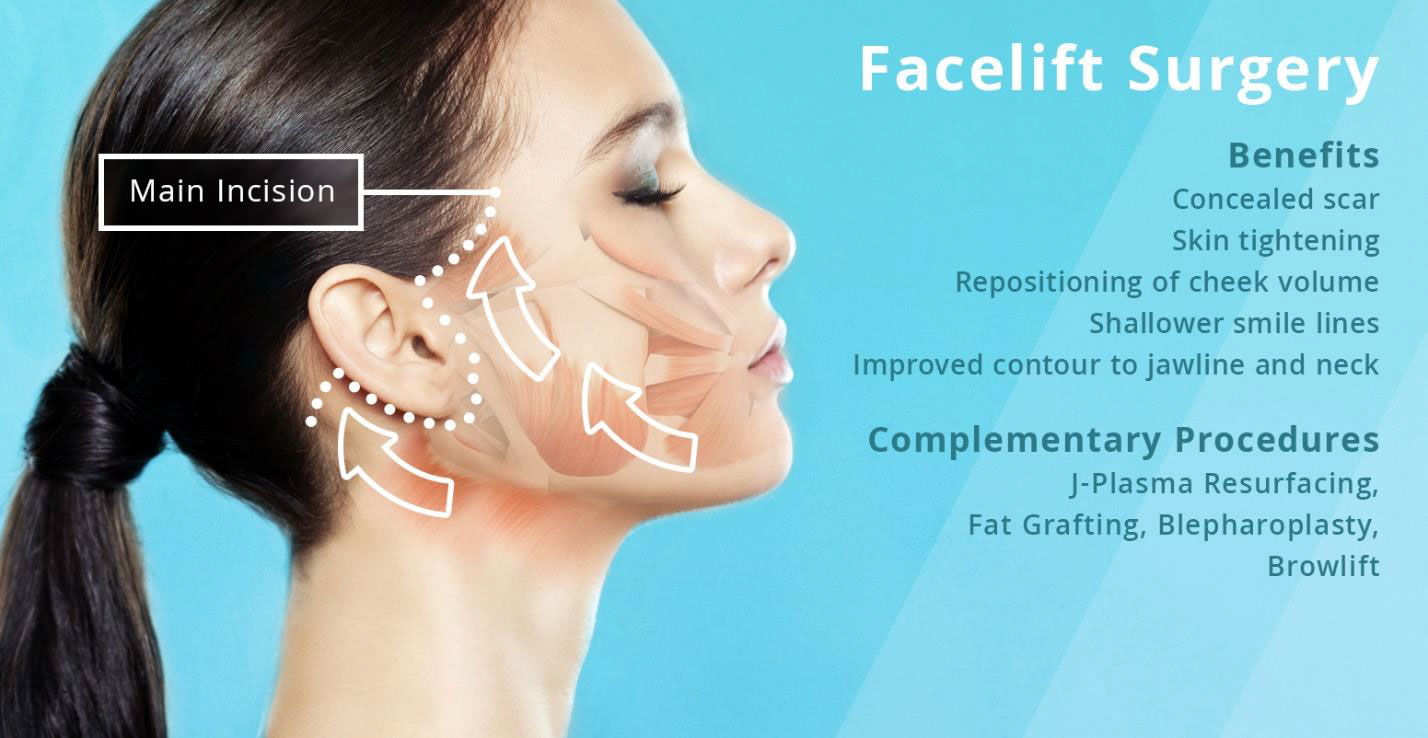
During a facelift at our Portland, OR, practice, our board-certified plastic surgeons reposition SMAS (superficial muscular aponeurotic system) tissue. This leaves you looking simply like a younger version of yourself, rather than like a different person.*
FACELIFT RECOVERY TIMELINE
After a facelift, you should relax for about 10 to 14 days to allow healing. Most people find they are able to resume a regular work or home schedule after that time period. Exercise and other strenuous physical activity may be resumed about four weeks after the operation.
Detailed pre-and post-surgical recovery information will be provided to you by your surgeon and our staff prior to your facelift.
Recovery varies, but many patients follow a general healing pattern.
Week 1
Swelling and bruising are expected. Rest and limited activity are recommended.
Weeks 2–3
Many patients return to normal daily routines and work activities.
Week 4
Exercise and more strenuous activities are commonly resumed after surgeon clearance.
Months 3–6
Residual swelling continues to improve and facial contours become more refined.
Detailed recovery instructions are provided before surgery.
THREE TALENTED DOCTORS
ONE FOCUSED MISSION
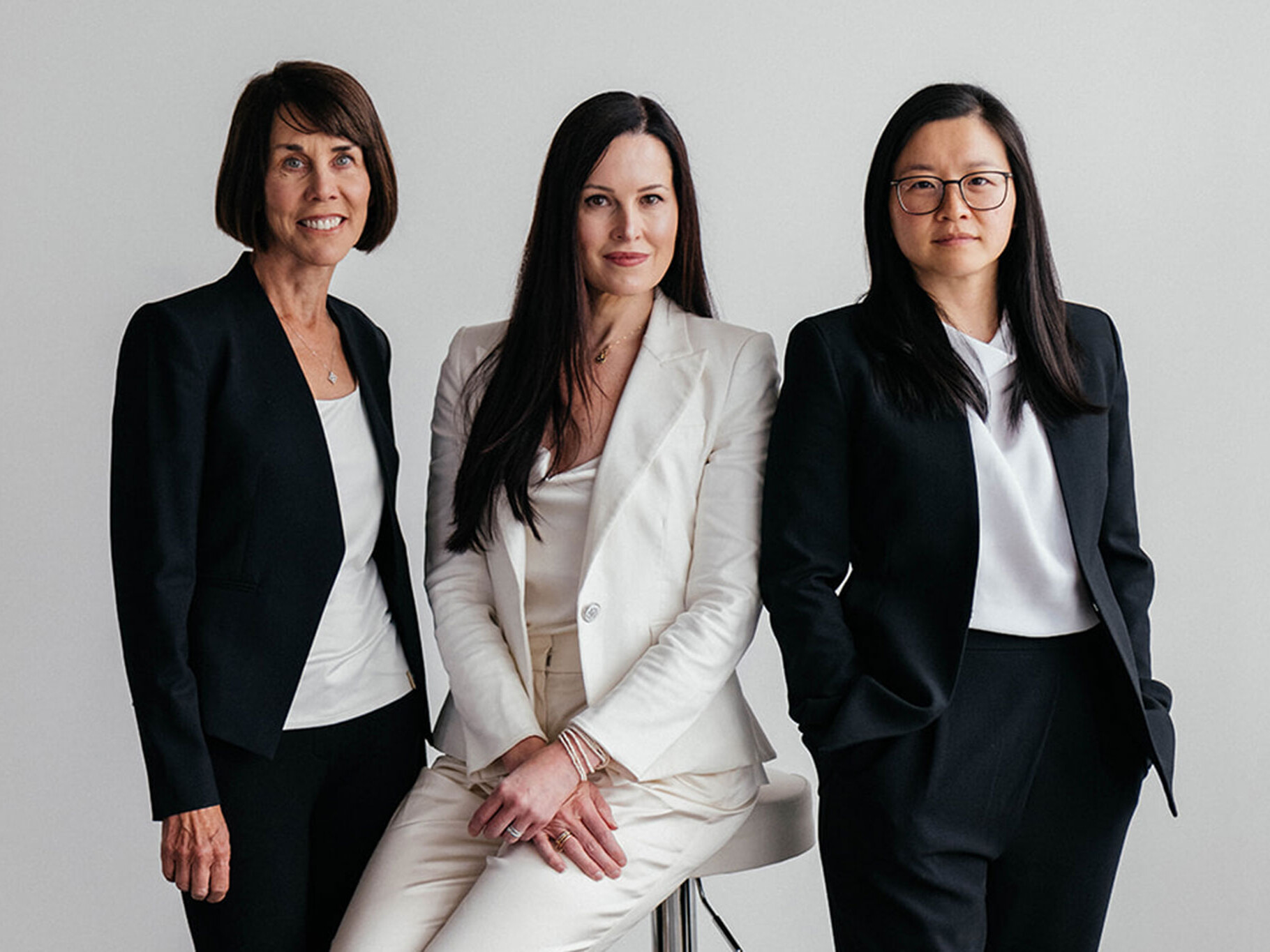
The experienced surgeons at The Waldorf Center for Plastic Surgery—Dr. Kathleen Waldorf, Dr. Rachel Streu and Dr. Heidi Johng—built the practice on a foundation of providing patients with high quality, ethical care. One of their guiding principles is a belief that cosmetic surgery is as much an art as it is a science.


Meet The Doctors
The experienced surgeons at The Waldorf Center for Plastic Surgery—Dr. Kathleen Waldorf, Dr. Rachel Streu and Dr. Heidi Johng—built the practice on a foundation of providing patients with high quality, ethical care. One of their guiding principles is a belief that cosmetic surgery is as much an art as it is a science.
Dear Dr. Waldorf,
Ten years ago, after losing my dear son, I looked in the mirror and gradually saw myself disappear. The weight crept on and the sadness was accentuated by the person I saw in the mirror. Just a few days after surgery, I looked in the mirror and I saw myself 10, maybe 15 years ago, and for that I thank you. I know you went the extra mile for me. What you do is not superficial–it touches people right down to their soul.
– 57-year-old female patient. Procedure: Facelift.
*Patient testimonial. Results may vary
RISKS
Facial surgery, as with all surgical procedures, carries a certain amount of risk. It is important that you understand these risks and the possible complications or adverse events associated with them. Your surgeon will discuss any risks with you during your consultation and pre-operative appointments.
WHY CHOOSE THE WALDORF CENTER FOR FACELIFT SURGERY?
The Waldorf Center for Plastic Surgery was founded on principles of ethical care, surgical precision, and natural-looking outcomes.
Patients choose our practice because of:
- Board-certified plastic surgeons
- Experience performing facial rejuvenation procedures
- Revision facelift experience
- SMAS facelift expertise
- Accredited surgical facility
- Personalized treatment planning
- Natural-result philosophy
Our surgeons approach facial rejuvenation as both science and artistry, striving to preserve identity while restoring youthful appearance.
Patients seeking facelift surgery often travel from Portland, Beaverton, Lake Oswego, Tigard, and surrounding Oregon communities.
FACELIFT FAQs
Longevity varies, but facelift surgery often provides long-term rejuvenation compared with non-surgical treatments.
Many patients pursue treatment in their 50s or later, though candidacy depends more on anatomy than age.
Many patients combine facelift surgery with a neck lift for comprehensive rejuvenation.
Mini facelifts typically address earlier signs of aging, while comprehensive procedures treat broader facial and neck concerns.
Modern facelift techniques for 2026 focus on repositioning deeper tissues to maintain natural facial expression.
Fillers restore volume but generally do not correct advanced skin laxity or tissue descent.
Most patients describe recovery as manageable with proper postoperative care.
Common combinations include neck lift, brow lift, blepharoplasty, facial fat transfer, and other rejuvenation procedures.
RELATED FACIAL REJUVENATION PROCEDURES
Request your consultation for facelift surgery in Portland, OR by contacting The Waldorf Center for Plastic Surgery online or by calling 503-646-0101. Our team can help determine whether facelift surgery or another facial rejuvenation treatment best aligns with your goals.
*Patient results may vary*