
How Does Fat Grafting Work? Understanding the Fat Transfer Process
Fat Grafting vs. Dermal Fillers: How They Compare
Fat Grafting Recovery: What to Expect After Your Procedure
Which Procedures Complement Fat Grafting?
Fat grafting, also called fat transfer, is a cosmetic procedure that uses your own purified fat cells to restore lost volume, enhance facial contours, and improve areas affected by aging, scars, or tissue irregularities. At The Waldorf Center for Plastic Surgery, our experienced plastic surgeons perform fat grafting in Portland, Oregon, to naturally rejuvenate areas such as the cheeks, lips, nasolabial folds, and marionette lines while avoiding synthetic fillers.
Fat transfer can also be used to correct depressed scars, contour irregularities, and volume loss caused by injury or previous surgery. As the transferred fat becomes living tissue, it can provide long-lasting results and may reduce the need for repeated temporary dermal filler treatments.
Open House 2025
at our Portland and Vancouver Open House
Free Gifts for the first 30 guests + Light bites, Mocktails & Desserts +
Vendor Spotlights & Interactive Tables
Join us for an exclusive evening of connection, community, and celebration at our Portland and Vancouver Open House.
This special event brings together our expert team, valued patients, and local partners for a night filled with
giving back, exciting prizes, and memorable experiences. Limited seating only, RSVP today!


Benefits of Fat Grafting in Portland, OR
Patients choose fat grafting at The Waldorf Center for Plastic Surgery in Portland, Oregon because it provides a natural way to restore lost volume, improve facial contours, and rejuvenate areas affected by aging, scars, or volume loss. Unlike synthetic fillers, fat grafting uses your own purified fat cells to enhance facial features and create long-lasting, natural-looking results.
Benefits of fat grafting may include:
- Restore natural-looking facial volume to areas affected by aging, weight loss, or changes in facial structure
- Enhance cheeks, lips, and facial contours for improved balance and youthful definition
- Soften the appearance of facial folds and wrinkles, including nasolabial folds and marionette lines
- Improve depressed scars and contour irregularities caused by injury, surgery, or changes in the skin and underlying tissue
- Use your own body’s fat instead of synthetic fillers for a personalized approach to facial rejuvenation
- Provide long-lasting volume enhancement as surviving fat cells become part of the treated area
- Create more balanced facial proportions while maintaining a natural appearance
At The Waldorf Center for Plastic Surgery, our experienced Portland plastic surgeons customize each fat grafting procedure based on your unique anatomy, aesthetic goals, and desired outcome. Whether used as a standalone treatment or combined with other cosmetic procedures, facial fat grafting can help restore youthful volume while enhancing your natural features.
Schedule a consultation at The Waldorf Center for Plastic Surgery to learn how fat grafting in Portland can restore lost volume and enhance your natural contours. Serving patients in Portland, OR, our board-certified plastic surgeons create personalized fat transfer treatment plans designed around your aesthetic goals. Call 503-646-0101 or 1-800-310-7901 or schedule a visit online.
BOARD-CERTIFIED PLASTIC SURGEONS
ONE FOCUSED MISSION
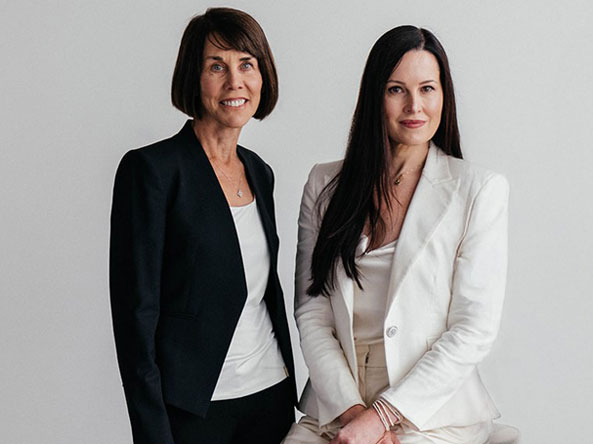
The experienced surgeons at The Waldorf Center for Plastic Surgery, Dr. Kathleen Waldorf and Dr. Rachel Streu, are dedicated to providing patients with high-quality, ethical care. One of their guiding principles is a belief that cosmetic surgery is as much an art as it is a science.


BOARD-CERTIFIED PLASTIC SURGEONS
The experienced surgeons at The Waldorf Center for Plastic Surgery, Dr. Kathleen Waldorf and Dr. Rachel Streu, are dedicated to providing patients with high-quality, ethical care. One of their guiding principles is a belief that cosmetic surgery is as much an art as it is a science.
How Does Fat Grafting Work? Understanding the Fat Transfer Process
Fat grafting is a cosmetic procedure that uses your own body fat to restore volume and improve contours. During a fat grafting procedure at The Waldorf Center for Plastic Surgery in Portland, Oregon, your surgeon removes excess fat from a donor area, such as the abdomen, thighs, or another area with available fat.
The harvested fat cells are then purified and carefully injected into targeted areas that need additional volume, such as the cheeks, lips, facial folds, scars, or areas with contour irregularities. After transfer, the body works to establish a healthy blood supply to the fat cells, allowing the surviving fat to integrate naturally into the treated area.
Typically, approximately 50% to 80% of transferred fat survives as long-lasting volume enhancement, although results vary based on individual healing, treatment area, and surgical technique. Fat grafting is a versatile procedure that can often be customized to each patient’s aesthetic goals and may be performed using local anesthesia in select cases.
At The Waldorf Center for Plastic Surgery, our experienced plastic surgeons serve patients from Portland, OR and surrounding areas with personalized fat grafting treatment plans designed to create natural-looking, balanced results.
Fat Grafting vs. Dermal Fillers: How They Compare
Fat grafting and dermal fillers can both restore facial volume and enhance facial contours, but they work in different ways. At The Waldorf Center for Plastic Surgery in Portland, Oregon, our surgeons help patients choose the right treatment based on their goals, anatomy, and desired results.
Fat grafting, also called fat transfer, uses your own purified fat cells to restore volume in areas such as the cheeks, lips, and facial folds. Since the transferred fat becomes part of the treated area, fat grafting can provide long-lasting volume enhancement.
Dermal fillers use injectable products to temporarily add volume, smooth wrinkles, and enhance facial features without surgery. Fillers are a popular option for patients seeking noticeable results with minimal downtime.
Fat Grafting vs. Dermal Fillers: Key Differences
Fat Grafting
- Uses your own fat cells
- Requires fat removal from a donor area
- Can provide long-lasting results
- Surgical procedure
Dermal Fillers
- Uses injectable filler products
- Does not require fat removal
- Results are temporary and vary by filler type
- Minimally invasive treatment
During a consultation at The Waldorf Center for Plastic Surgery, serving Portland, OR and surrounding areas, our team can recommend whether fat grafting, dermal fillers, or a combination approach is best for achieving your aesthetic goals.
Fat Grafting Recovery: What to Expect After Your Procedure
Recovery after fat grafting is an important part of achieving natural-looking, long-lasting results. At The Waldorf Center for Plastic Surgery in Portland, Oregon, our experienced plastic surgeons provide personalized recovery instructions to support safe healing and optimal outcomes.
Fat grafting recovery varies depending on the treatment area, amount of fat transferred, and whether additional procedures are performed. Most patients experience temporary swelling, bruising, and fullness that gradually improve as the body heals.
During Fat Grafting Recovery, Patients Can Expect:
- Mild swelling and bruising in the treated and donor areas
- Temporary fullness from transferred fat and post-procedure swelling
- Gradual improvement as the fat cells establish a blood supply
- Return to normal activities based on individual healing and surgeon recommendations
- Long-lasting volume enhancement as surviving fat cells integrate into the treated area
As fat grafting involves both fat removal and fat transfer, patients recover from two treatment areas: the donor site where fat is harvested and the area receiving the transferred fat.
Most swelling improves within the first several weeks, while final fat grafting results become more visible as the transferred fat stabilizes. Your surgeon will provide specific aftercare instructions to protect your results and support a smooth recovery.
The Waldorf Center for Plastic Surgery serves patients seeking fat grafting in Portland, OR. Dr. Kathleen Waldorf and Dr. Rachel Streu combine advanced surgical expertise with an artistic approach to create balanced, natural-looking fat transfer results tailored to each patient’s goals.
The Waldorf Center in Portland, OR, offers special financing for the recommended surgical or non-surgical procedure you want. Convenient monthly payments can be structured to fit your financial situation. Call the practice for more information at 503-646-0101 or contact us online.


Fat Grafting FAQs
Fat grafting, also called fat transfer, is a cosmetic procedure that removes fat cells from one area of the body, such as the abdomen or thighs, and transfers them to another area to restore volume and improve contours. At The Waldorf Center for Plastic Surgery, serving patients in Portland, Oregon, fat grafting is used to enhance facial features, restore lost volume, improve contour irregularities, and create natural-looking results using your own fat cells.
Fat grafting can restore volume and enhance several areas of the face and body. Common facial fat grafting treatment areas include the cheeks, lips, nasolabial folds, and marionette lines. Fat transfer may also be used to improve depressed scars, contour irregularities, and areas affected by injury or previous surgery. Patients seeking facial fat grafting in the Portland area often choose this procedure to achieve a more youthful, balanced appearance.
During a fat grafting procedure, your plastic surgeon removes fat from a donor area of the body, typically the abdomen, thighs, or another area with available fat. The harvested fat cells are then purified and carefully injected into areas that require additional volume or contour enhancement. Over time, the transferred fat establishes a blood supply and becomes part of the treated area, helping create long-lasting volume restoration.
Fat grafting results can be long-lasting because the fat cells that successfully survive the transfer process become living tissue in the treated area. Typically, approximately 50% to 80% of transferred fat may survive permanently, although results vary depending on individual healing, treatment area, surgical technique, and lifestyle factors.
Fat grafting and dermal fillers are both options for restoring facial volume, but they work differently. Fat grafting uses your own fat cells to create natural-looking, long-lasting volume, while dermal fillers use injectable products designed for temporary enhancement. During a consultation at The Waldorf Center for Plastic Surgery in Portland, OR, our surgeons can help determine whether fat grafting, fillers, or a combination approach is best for your goals.
Fat grafting can provide permanent volume enhancement in areas where transferred fat cells successfully survive. While the results are long-lasting, natural aging, weight changes, and other factors can continue to affect your appearance over time. Maintaining a stable weight and following your surgeon’s recommendations can help preserve your fat grafting results.
Recovery after fat grafting in Portland, Oregon varies depending on the treatment area and whether additional cosmetic procedures are performed. Most patients experience mild swelling, bruising, and temporary fullness following the procedure. Swelling typically improves within several days, while bruising may resolve over one to two weeks. As healing continues, the final fat grafting results become more apparent and natural-looking.
Ideal candidates for fat grafting are individuals who want to restore lost volume, enhance facial contours, or improve areas of irregularity using their own body fat. A consultation with the experienced plastic surgeons at The Waldorf Center for Plastic Surgery can help determine whether fat transfer is the right option based on your anatomy, available donor fat, and aesthetic goals.
The Waldorf Center for Plastic Surgery provides personalized fat grafting procedures for patients throughout Portland, Oregon and surrounding communities. Dr. Kathleen Waldorf and Dr. Rachel Streu combine advanced surgical expertise with an artistic approach to help patients achieve balanced, natural-looking facial rejuvenation. Their customized approach to fat grafting focuses on enhancing each patient’s unique features while creating results that complement their overall appearance.
Which Procedures Complement Fat Grafting?
In addition to fat grafting, The Waldorf Center for Plastic Surgery offers a range of cosmetic surgery procedures to help patients enhance facial harmony, restore youthful contours, and achieve their aesthetic goals. Explore additional surgical options available for patients in Portland, Oregon and surrounding areas.
Facelift
A facelift helps address visible signs of facial aging by improving sagging skin, restoring facial contours, and reducing the appearance of deeper folds and wrinkles. This procedure can create a smoother, more refreshed appearance while maintaining natural-looking results.
Blepharoplasty
Blepharoplasty, also known as eyelid surgery, rejuvenates the upper and lower eyelids by addressing excess skin, puffiness, and under-eye concerns. This procedure can help restore a more refreshed and youthful appearance around the eyes.
Rhinoplasty
Rhinoplasty reshapes and refines the nose to improve facial balance and proportion. Whether addressing aesthetic concerns or structural issues, rhinoplasty is customized to complement each patient’s unique facial features.
Contact The Waldorf Center for Plastic Surgery to schedule a consultation for fat grafting in Portland, Oregon. Our experienced plastic surgeons will answer your questions and create a personalized fat transfer treatment plan to help you achieve natural-looking, long-lasting results. Call 503-646-0101 or 1-800-310-7901, or schedule a visit online.
*Patient results may vary*